How orthotic materials change the way you move
Dec 8, 2025
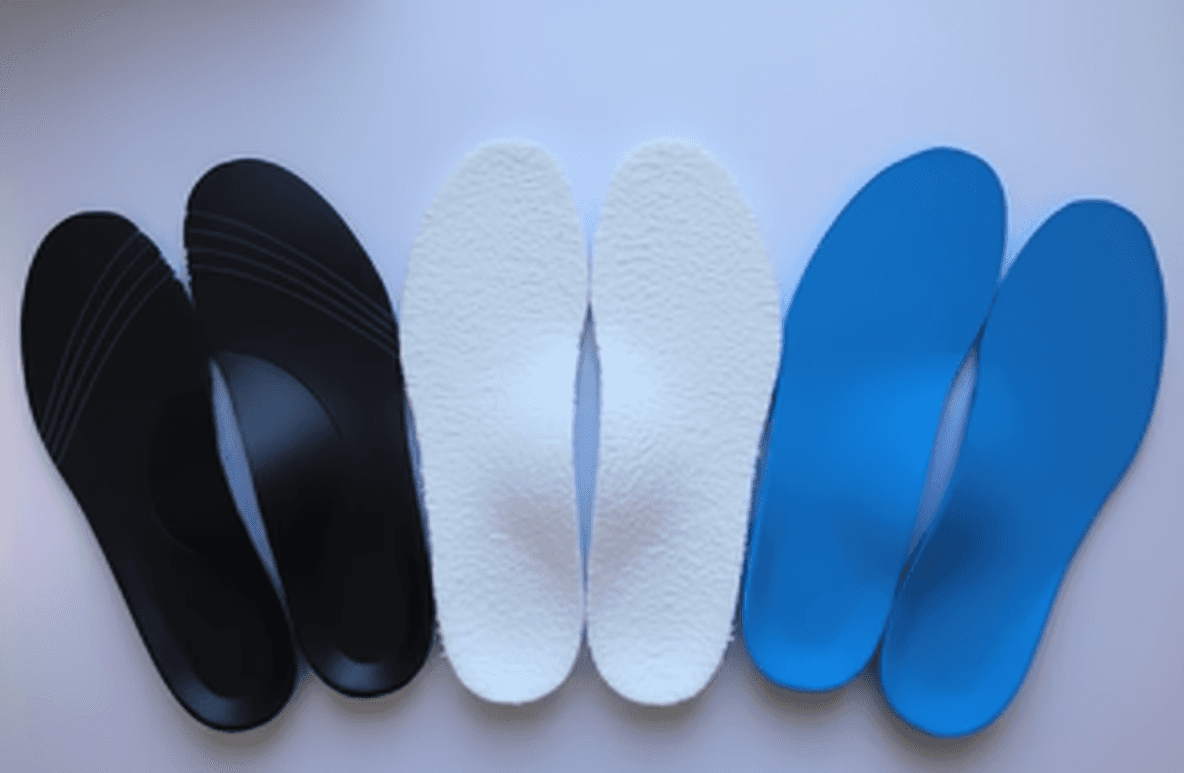
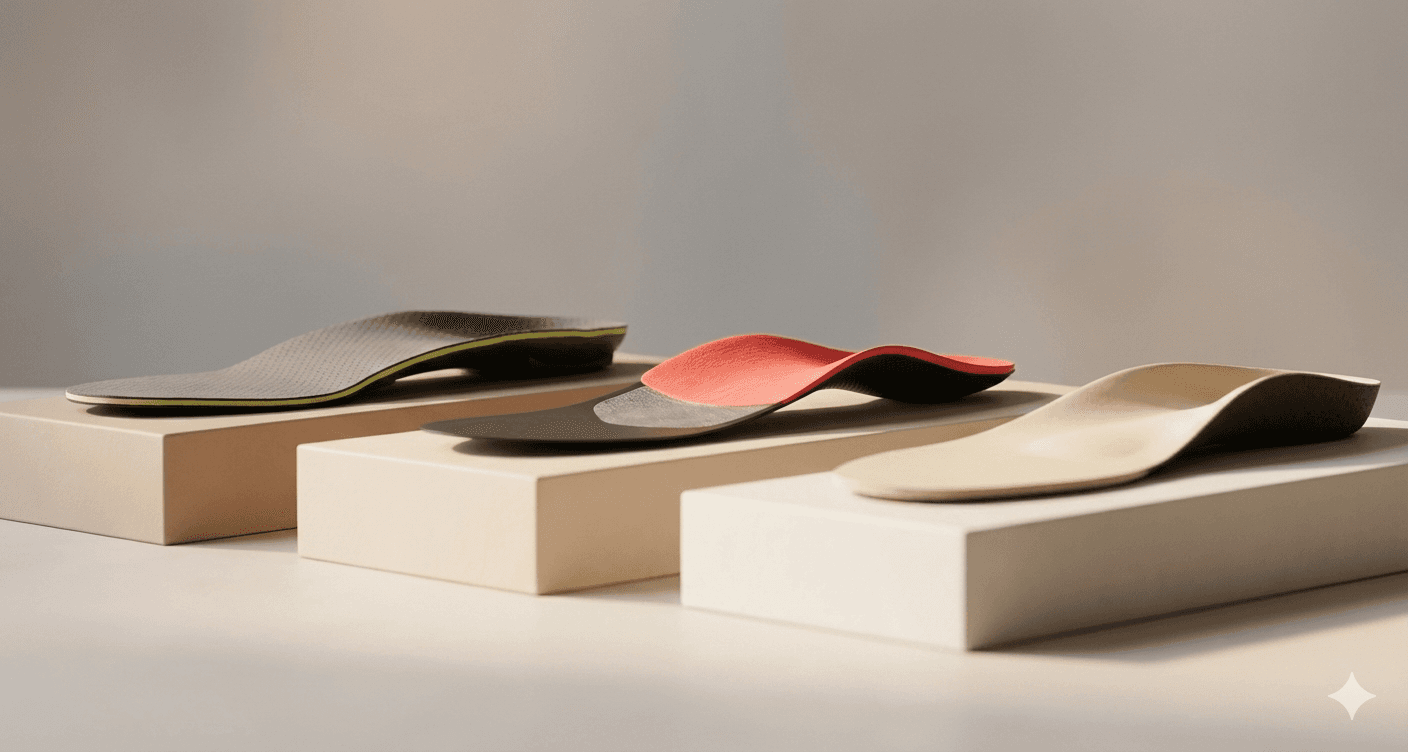
Orthotics don’t just differ by shape - they differ by material, and that choice changes how the orthotic feels and performs. Materials affect cushioning, control, durability, and how your body absorbs impact while walking or standing.
Softer materials like EVA are typically used when comfort and shock absorption are priorities - useful for sensitive feet or everyday support. More technical or stiffer materials (such as TPU or carbon fibre) are often used when more stability, structure, and energy return are needed, especially in cases where greater biomechanical control is required.
Research shows that stiffness and resilience influence plantar pressure distribution, which helps explain why podiatrists choose materials based on body weight, activity level, pathology, and footwear - ensuring the orthotic supports movement naturally.
Key insights (summary)
Material choice impacts cushioning, stability, durability, and pressure distribution.
Softer materials prioritise comfort; stiffer materials prioritise control and support.
A podiatrist selects the material based on your needs, activity, and condition.
Sources
Journal of Prosthetics and Orthotics
Journal of Foot & Ankle Research